Saturday, July 2, 2011

KidBotanical's Personal Backyard Grow-Entry 1

**Please note, the first few entries of Personal Backyard Grow take place between April and June 2011. Once I am up to date, entries will be weekly with current pictures and video**
     
Anyone can give advice, ranging from what to eat, watch, drink,  and even what to do with your backyard garden. But, how many people can back up their advice with fact and evidence? Here at Backyard Grow, I plan to take full advantage of my unique situation by backing up my claims with one of a kind documentation. This means you, the up and coming gardener, gets access to the best tips and techniques that don't just work in theory, they are proven to work in a backyard setting.


     So then, consider this the introudction to KidBotanical's personal Backyard Grow:
California Dreamin: Garden and Pool in one backyard


     Until I record some videos (its well over 110 degrees outside right now, so this may take a few days), all I have are tons of pictures. What you see above is the finished product of a couple years' planning and labor. I wouldn't call myself an expert or a professional, but to become an experienced gardener takes time, trial, and error, even if they have an encyclopedia of growing at their disposal. Now then, what exactly is this setup? Because of the extreme heat and sun this location faces, it became apparent that my Cannabis crop needed shading, and this is what you see: A durable shade structure built primarily from wood with concrete bases. The shade cloth you see (rated at 22% light reduction) not only eases the Sun's harsh light, but also helps to diffuse and spread the light evenly among the plants. On the top of the garden structure is the same sun shade material, reducing 22% of all light that shines through the top of the structure. If your grow season is uncomfortably warm and sunny like mine (putting it mildly), I would strongly recommend this sun shade cloth, as excess sunlight can damage any Cannabis specimen. 

     The orange plastic fencing you see is definitely optional, but if you have any pets or small children, constructing a barrier (even if it's as flimsy as plastic fencing) will help keep them out of the garden. The next feature of this garden is its nearly automatic watering system, pictured here:
Tubes...Tubes everywhere

Manifold delivering the water, up to 8 plants at a time!


     These tubes are connected to manifolds, and these manifolds deliver water based off sprinkler scheduling. Right now, I'm running over 20 minutes of water per day, divided up 4 times throughout the day. More information on water will be discussed next week and throughout BackyardGrow. Automatic watering is much more valuable when you start working with higher numbers of plants, but hand watering is sufficient for smaller gardening projects.

     Wrapping up week 0, you can see what I use for soil this year, all 6 cubic yards of it:

Not pictured: Countless wheelbarrow loads of compost into the Grow Bags


     This ended up being enough dirt for  28 Cannabis plants in my setup, which makes use of a new technology known as 'Grow Bags'. These bags act as planting pots, but they allow excess water to drain out due their aeration technology. This same technology keeps roots from growing through the bag, as roots cease to grow when they come in contact with that much air. These bags are one of the great gardening innovations available, and are available in many different sizes. Grow bags also help keep your Cannabis specimen insect and weed free by providing a much more protected plant/root area than flora growing at ground level.

A 45 Gallon Grow Bag spread open for all to see


     This concludes Entry 1 for my own Backyard Grow. In Entries 2 and onwards, you can expect to find more high quality media of my garden, including video! Entries 2 and 3 will be in the next week or so, but as soon as I am caught up with the grow season, I'll be updating this my Personal Backyard Grow once a week. Until next time, this is KidBotanical reminding you all to take after your garden, and stay healthy. 


Thursday, June 30, 2011

Time to get dirty: Soil

Courtesy of http://chiotsrun.com
    

     What is soil? To be technical, soil is the most outer layer of the Earth's crust, in which plants take root. Soil is made up of weathered rock and minerals, as well as organic material such as decomposed animal and plant matter. Because soil is formed from so many different particles, it has different qualities and characteristics based on location. These qualities play a vital role to the health of your plant; for example, if you watered your plant as if you had sandy, desert soil in a location that was higher in clay, the plant would surely drown. Also, soils higher in organic material tend to have a higher pH, meaning more acidic soil, and the possibility of nutrient lockout (Nutrient discussion is for another day, however).
    
     Listed below are some of the different types of soil you may encounter when creating your own Backyard Grow:

Sandy Soil- If you grow or plan on growing in an arid or desert region, this is the soil you will be faced with. Sand is formed primarily from weathering of rocks, so this soil is very poor in natural fertility. Because of the nature of sand's small particles, water drains very easily from this soil, meaning your plants will need extra water during the hotter months of the grow season. On the flip side, because of the drier soil, root drowning and other root problems should not appear.

Silty Soil- Only a select few will have access to this soil, and they are quite lucky. Silty soil is formed through rivers or other bodies of water depositing minerals and nutrients over time. Like sand, it can be fine and granular, but unlike sand it retains water and nutrients much better. Silt is only available to those in fortunate geographic locations, so if you can take advantage of this rich natural resource, I advise it!


Clay Soil- As you may have guessed from my example, clay soil has much less draining power than sand or silt. Because of this major drawback, exclusive clay soil is almost never used. To be effective, clay has to be used with sand, silt, or organic material to provide proper drainage and nutrients. If too much clay is in your soil, you will see your plants suffer from waterlogged roots, and possibly root fungi.


Loamy Soil- This soil is the ultimate; it is a combination of all of the above into one glorious mixture of dirt. Loam combines the water draining of sand with the rich nutrients of silt, and the water retention of clay to make a nutrient rich soil with proper retention and drainage. If you manage to come across this soil in your backyard, consider it your destiny to grow something in this rich medium.

Peaty Soil- Peat is exclusively formed from decaying and decomposed organic matter. As you would imagine, it is very rich in nutrients, and makes a great additive for any soil. Because of its high organic content, though, it is much more acidic than any other soil, and is better utilized as an additive to an existing soil profile. Additionally, organic material requires nitrogen to decompose (see: Nitrogen Cycle), which means in larger amounts, said organic material will be in direct competition with your Cannabis plant for precious nitrogen.


     Now you know a little more about the dirt you'll be growing in, but you may be asking what to do if you aren't fortunate enough to have a rich and loamy backyard, a question that I can answer from personal experience.


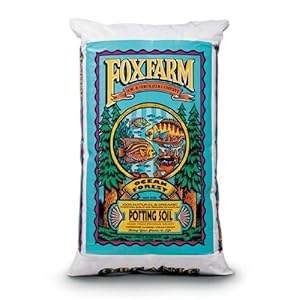
     As a desert grower, I was initially faced with poor sandy soil, but I knew what I had to do. As a general treatment for each hole, I added FoxFarm® Ocean Forest® potting soil. This soil is high in organic material and nutrients, while also being light and aerated, pretty much being the perfect additive to sandy and infertile soil. If Ocean Forest® does not provide sufficient plant nutrition, or if it provides too much organic material, consider adding blood meal or bone meal to the soil, as that will increase respective levels of insoluble nitrogen and phosphorus.
Ocean Forest® Potting Soil, one of the highest quality soil additives


    So in conclusion, a healthy soil profile for your plants is one that drains sufficiently (but not excessively) and contains organic material and nutrition for optimal growth. Due to the wide variance in soil, it will be up to you to determine what should be added or detracted to improve soil quality. As always, I am standing by to do my best to answer any and all questions you may have. I leave you with a few soil related tips, and remind you all to take after your plants and stay healthy.

*Some soils attract different insects than others; recognize your soil type to best combat insect invaders
*Too much water in the soil is as harmful as not enough water
*Experiment with manure and compost; Your soil will improve over time as more and more matter decays

Tuesday, June 28, 2011

Lets start at the very beginning...

Cannabis Seeds


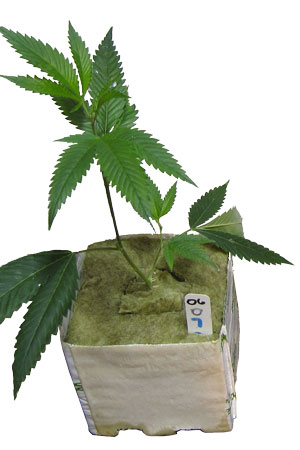
Cannabis Cutting (Clone)


     Like any other plant, a hearty Cannabis specimen will grow from a single seed. This is the preferred method for some growers, however there is an alternative: planting seedlings cloned from a mother plant. The term clone is used in horticulture to refer to descendants of a single plant which were produced by vegetative reproduction or apomixis (Thanks wikipedia). This basically means that small branches are clipped from a mother/master plant, and allowed to take root in special mediums designed for that purpose. So, instead of having uncertain seed genetics, clones give the option of having a genetic copy of the mother plant. The downside is to clones lies in the light shock that occurs when you plant them. Before being sold, clones receive upwards of 12 hours of light per day, which is optimum for growth and health. However, outdoor light will not become 12 hours long until the middle of the summer in most geographic locations, and won't remain that high for very long.
   
     So then, what will this mean for you, the grower? Because the clones have a 2-3 week headstart on the seeds, and their hours of sunlight change, they may become confused and temporarily enter the flowering phase (in which buds are produced/grow larger, happens with less light in the end of the season). Do not be alarmed, as they adjust to the new hours of light, they will shift back into the growth phase. Also, another danger unique to clones comes from climate; if you live in a colder area, clones may be a poor choice due to cooler weather, possible frosts, and low sunlight during the beginning of the growing season.

     Ultimately, there will be little differnece between seeds and clones if the same care and dedication is applied equally. Gardening (especially for Cannabis) is very customizable, and all of the different options available make it easy to individualize the growing process. You may still be wondering if clones are right for you, or maybe if seeds will grow better in your particular area. My only answer for you is personal preference plays a large part of the gardening process, whether you grow tomatoes or Cannabis.

Monday, June 27, 2011

Greetings!

     Hello, Hola, Bienvenidos, Guten Tag, Aloha, or whatever your language may be, and welcome to what will hopefully become one of the most informative and helpful blogs of all time! This introductory post will cover all current planned areas of discussion, but there is no limit to how many posts may sprout up (Plant Joke 1, the puns have just begun!).

     By now, many of you may be asking yourself what exactly is Backyard Grow, and I have only one simple answer. Backyard Grow is a blog founded and dedicated to professional and amateur gardeners alike, who all share the common goal of producing a better product. Our product, however, is unconventional to some. You won't find this in the produce section of your local supermarket, and online availability is risky and limited. At Backyard Grow, our product is Cannabis Sativa.

     While there is no denying that both sides of the Cannabis debate have merit, this blog is not primarily for debating such matters. Here we are gardeners and enthusiasts, and take simple joy in knowing we did everything we could to create a healthy and bountiful harvest. Over the course of this blog, I (and hopefully others) will share my own experience to enrich that of others, as we keep the common goal of gardening in mind. For whatever you reasons to grow, I will provide you with the same resources and knowledge I have obtained over the years, through trial, error, blood, sweat, and tears.

     Like many things in life, great marijuana comes from a few simple building blocks: Plant nutrition, insect control, soil/water quality, and light are the key ingredients in growing a healthy Cannabis specimen. As you may have guessed from the title, this blog will primarily focus on outdoor gardening, but much of the general information presented can be applied to indoor soil or hydroponic setups. However, it is my firm belief that the best and most bountiful yields can only come from the universe's brightest (as well as least expensive) source of light, the Sun.

     This concludes the introduction to Backyard Grow: An Exploration of Outdoor Gardening. Don't want to miss any of the important information coming up? Subscribe today to receive alerts and updates, they may even save some (plant) lives!


For now, this is KidBotanical reminding you all to follow your plants' lead, and stay healthy